5 Best Laptops for DJing (Stable & Fast) – 2025
So you’re looking for a laptop with killer aesthetics because you think it’ll make DJing easier? And of course, you want enough power to run any DJ software without breaking a sweat?
Yeah, that’s important. But if you’re serious about DJing live, there’s one thing that matters even more: RELIABILITY.
Because let’s be real—nobody wants to deal with audio dropouts or, even worse, the dreaded Blue Screen of Death in the middle of a career-making gig.
Not me. Not you. Not any DJ.
Trust me, every beginner’s worst nightmare is their laptop dying mid-set. I’ve been there—back when I was DJing in college, the thought alone gave me anxiety.
So how do you avoid that disaster?
By reading this post carefully, obviously.
Or, better yet, by picking a rock-solid laptop with the right hardware, stable drivers, and a build that won’t let you down when it matters most.
Finding the right one isn’t hard—it just takes time.
The good news?
I’ve already done all that work for you.
In this post, you’ll find:
- A no-BS guide on what to actually look for in a DJ laptop and why it matters. I’ll break down which hardware features are essential for DJing, how your software relies on them, and—because I don’t want you scrambling mid-set wondering WTF just happened—I’ll throw in some pro tips to keep your laptop from bricking mid-performance.
- A ranked list of the 5 best laptops for DJing. No fluff. Just the best options, so you can check them out and see what fits your budget.
I’ve put the guide at the end because, let’s be honest, most people are too lazy to read it. They just want to see the laptop list and move on.
But if you actually care about your DJ career, I highly recommend coming back and giving that last section a solid read when you have time. Future you will thank you.
Best Laptop Specs For DJing
CPU
Go for the highest clock speed you can afford, not just the number of cores. More cores help with multitasking, but for DJing, even 4-6 cores is overkill.
Core i7 / Ryzen 7 laptops are crazy fast but not necessary.
Core i5 / Ryzen 5 is the sweet spot, especially if it’s a newer model.
RAM
Min 8GB RAM. Preferably 16GB RAM. (You’d have to do the upgrade most of the time).
- Windows + bloatware alone eats up 4GB—you need another 4GB free just for your DJ software.
- If you run out of RAM, your laptop will start using storage as extra RAM → everything slows to a crawl → then crashes mid-set → and now you’re homeless.
GPU
DJ software doesn’t use or need a dedicated GPU. In fact, you should avoid them if possible (I’ll explain why in the last section).
Storage
SSDs are standard now, so speed matters more than storage. PCIe NVMe 5.0 is the fastest but only found in high-end laptops. PCIe NVMe 4.0 (found in most models) is nearly as good, with only slightly slower file transfers from external drives.
Display
At least 13″ Full HD—not an inch less. Ideally QHD but it can be too expensive.
You need enough screen real estate to manage tools, interfaces, and buttons without constantly switching views. 15″ screens are ideal if your laptop sits further away (like on a stand).
Matte vs. Glossy: Matte means Less glare, better for outdoor gigs. Glossy is Totally fine for indoor setups.
Display Type: IPS, TN , OLED, LED…doesn’t really matter. We are not concerned about colors. However, you should just avoid TN displays due to bad viewing angles (rare anyway).
Top 5 Best Laptops for DJing
1. MacBook M4 Pro Chip
Best MacBook For DJing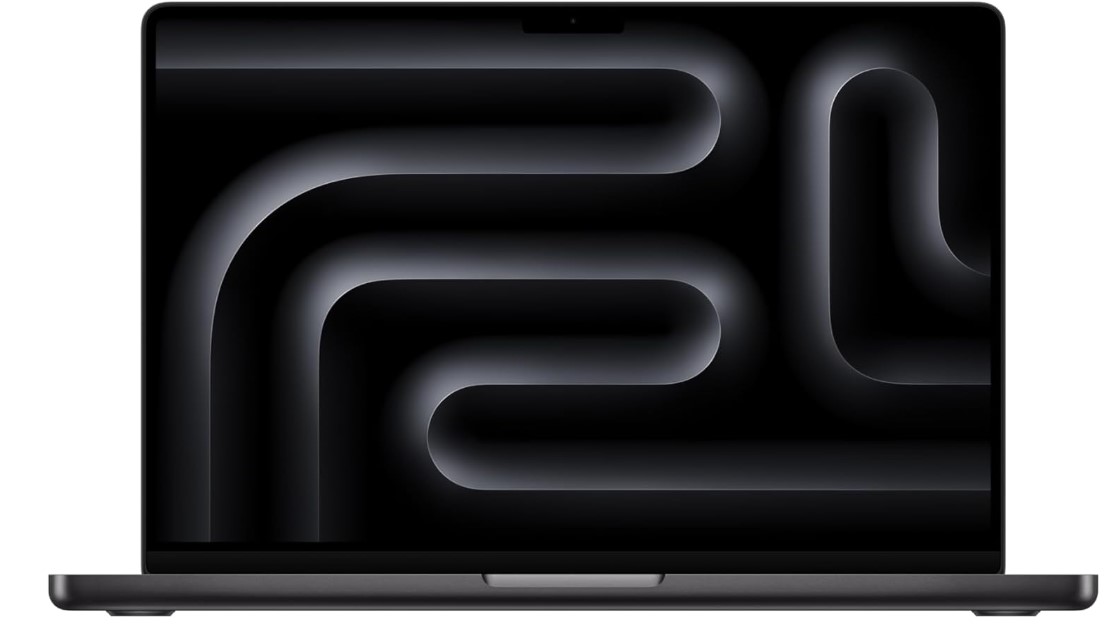
M4 12 Core CPU
24 GB Unified Memory
16‑core GPU
512GB-2TB SSD
14.2-16 inch Liquid Retina XDR display 3024-by-1964
4.7lb
13 hours

2. MacBook Air M3 Chip
Lightweight Mac Laptop For Djing
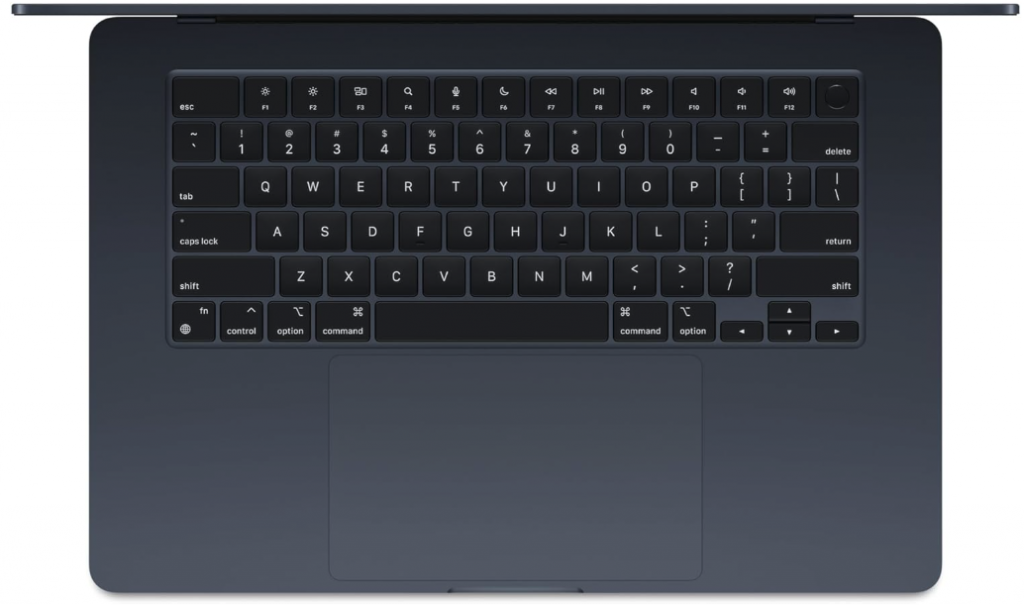
Apple M3 Chip
8GB RAM DDR4
Apple 8-core GPU
256-512GB Flash Storage SSD
13.3” Retina Display (2560 x 1600)
2.8 lbs
15 hours
WiFi 6
3. Lenovo ThinkPad E16 Gen 1
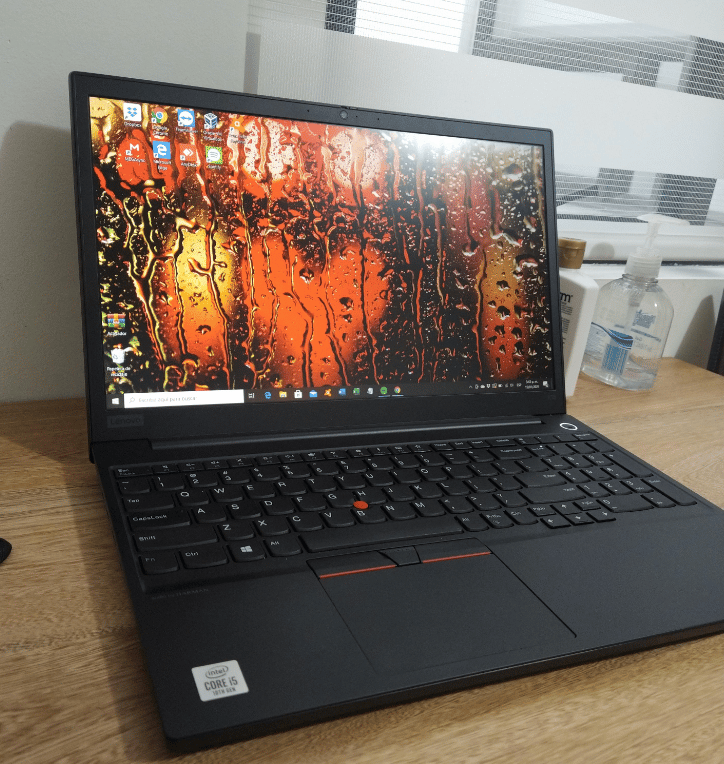
Budget Lenovo Laptop For DJing
Intel i5-1335U 2P cores + 8E Cores (12 threads) 3.4-4.6GHz
16GB RAM DDR4 (Up to 40GB)
Intel Iris Xe graphics
512GB PCIe NVMe SSD
15.6″ Full HD IPS Anti-glare
4 lbs
10 hours
Windows 10 Pro
x1 USB 2.0 x 1 HDMI x1 Thunderbolt 4 (Type-C) x1 USB 3.2 Type-C
4. Dell XPS 13 9370
Best Dell Laptop for DJing
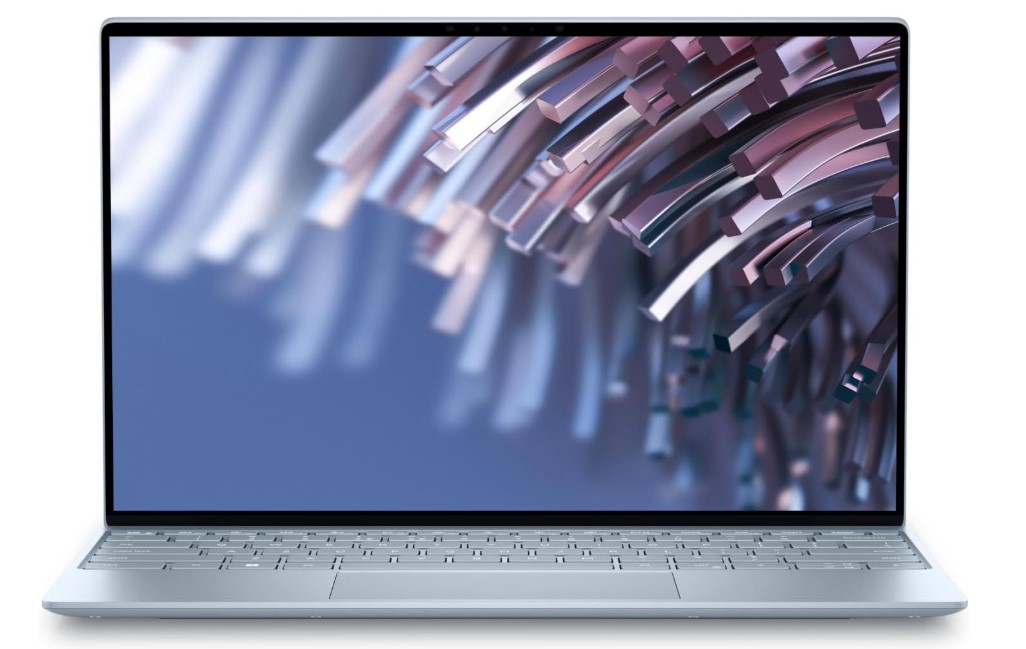
Core i5-1230U
8GB RAM DDR4
Intel HD
256GB SSD
13” FHD
2.6lb
10 hours
x2 Thunderbolt 4 ports,1 x Type-C USB 3.0, Backlit Keyboard, Fingerprint reader
5. 2020 ASUS VivoBook 15
Best ASUS Laptop For DJing
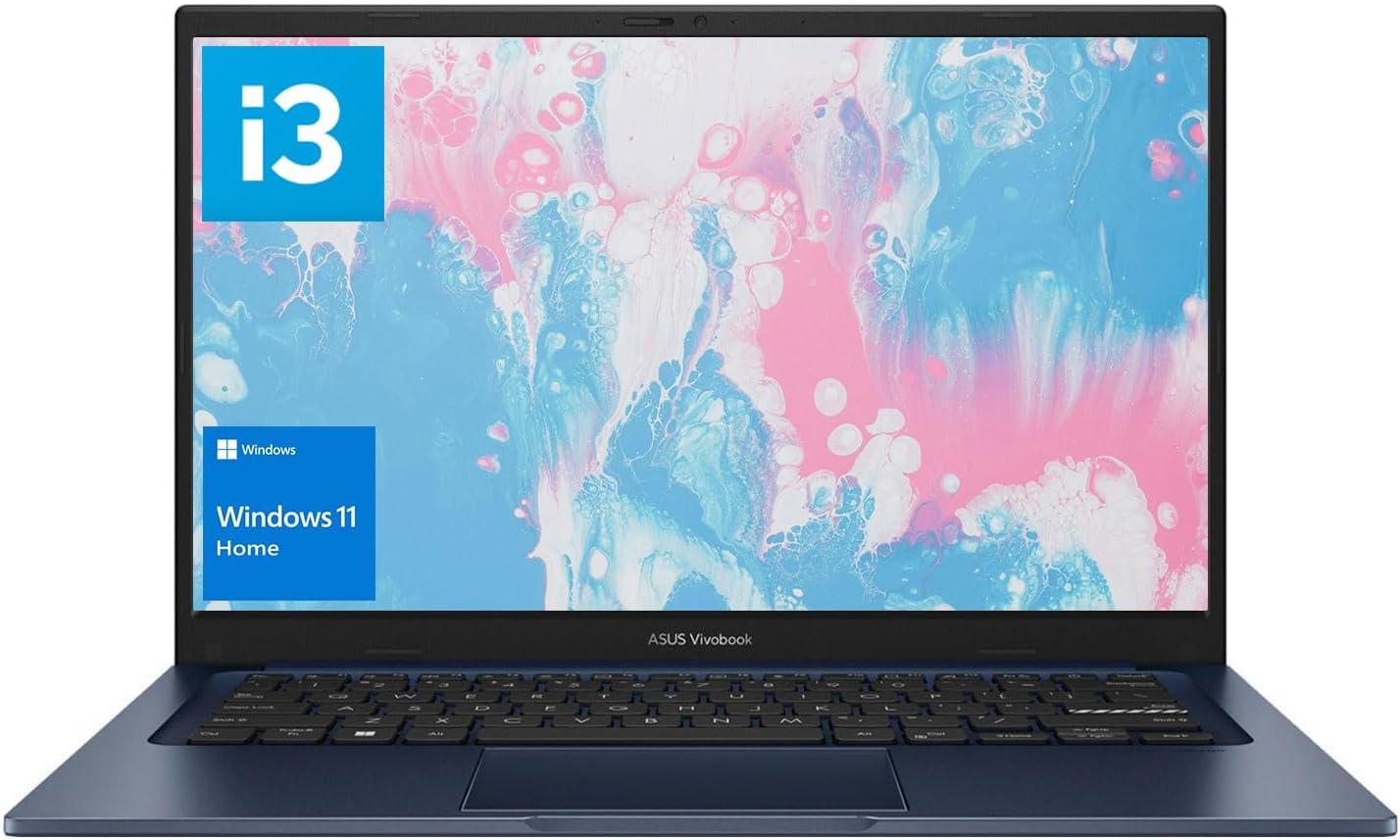
Core i3 1215U
16GB RAM DDR4
Intel Xe Graphics
512GB SSD PCIe NVMe 4.0
14” Full HD IPS
3.1 lbs
6 hours
How To Buy The Best Laptop For DJing
It may seem that the best place to start is by looking at the hardware requirements of DJing software, right?
| Software | Processor | Memory | Storage | Display |
| Traktor Pro | 2.0 GHz Intel Core i5 or equal AMD processor | 4 GB RAM | 1GB | 1024 x 768 screen resolution |
| Serato | i3, i5, i7 with 1.3GHz | 4 GB RAM | 5GB | 1280 x 720 |
| Virtual DJ | Intel i5 or better | 4 GB RAM (8GB recommended) | 200MB | 1280 x 768 |
| Rekordbox | Intel Core i5 or AMD equivalent | 4 GB RAM (8GB recommended) | 2GB | 1280 x 768 |
| Ableton Live | Intel Core i5 minimum, i7 recommended | 8 GB RAM (16GB recommended) | 3GB | 1366 x 768 (1920×1080 recommended) |
| Mixxx | Intel Core 2 Duo or better | 2 GB RAM | 200MB | 1024 x 600 |
| DJ Pro AI | Intel Core i5 or M1 (Mac) | 8 GB RAM | 250MB | 1280 x 800 |
| Cross DJ | Intel Core i3 or better | 4 GB RAM | 500MB | 1280 x 768 |
| UltraMixer | Intel Core i5 or better | 4 GB RAM | 1GB | 1280 x 800 |
Any other software will ask you for similar or even weaker specs. If you know anything about computers, you’d know that most laptops built within the past 10 years actually meet that criteria.
So these requirements aren’t really helpful at all!
These are the minimum requirements too! If you want to avoid any lag, no matter how many tracks you are playing, you need to go way beyond that.
Doing that will guarantee everything works flawlessly and also ensure your computer operates with as little effort as possible. This means fewer and fewer chances of crashing.
Unless, of course, you don’t mind being on the fence with the cheap laptop you got at Walmart at -30% for $300 and watching it crash in the middle of your most important gig of the year.
Stability!
The main challenge of finding a stable laptop is the huge pile of trash laptops available online. Of course, if you have the cash, you could just roll with Apple and be done with it. But a lot of us hate Apple, and a lot of us are also broke right now.
Anyway, here are a few tips to avoid having your head up your ass during a live performance:
- This laptop should only be used for DJing. Forget web browsing, gaming, and watching movies.
- If you have the cash, use a different laptop for making your tracks & mixes.
- Keep all other software off your laptop. Only install your DJ software, some samples, and the tracks you’ll be using during a live performance.
- Never, ever try to save a few bucks by opting for a “budget-friendly” model if you’ve already found a laptop with a strong reputation for stability.
- If you find a brand or model that costs a ton and see several DJs praising its performance, go for the exact same model and, if possible, buy it from the same website/store.
- Once you have a laptop, monitor your CPU/RAM performance using CTRL+ALT+DEL and simulate whatever programs you use during a live performance. Make sure those bars never, ever hit 90%. In other words, make sure you are not maxing out your laptop’s resources. If this happens, upgrade the RAM & storage accordingly until resource usage gets down to at least 60%.
CPU
Cores (Dual-Core – Quad-Core – Six-Core – Octa-Core)
CPUs are classified mainly by the number of cores and clock speed. The number of cores roughly translates to how many “brains” are inside a CPU (as of 2020, laptops can have up to 8 cores).
Roughly speaking, each core can independently handle a single task (play a track, edit another, download a track, etc.), and sometimes software can utilize all cores and perform operations 8x faster (if it has 8 cores) and so on.
Clock Speed (Hz)
Clock speed refers to how fast a CPU can execute operations (measured in Hz). Obviously, the higher, the better. But depending on the software or application, there are limits.
What I mean by this is that there’s no point in going beyond a certain speed—you won’t notice a difference.
Multi-Core CPUs
All modern processors are multi-core (2 to 8 cores). But Quad-Core or Hexa-Core processors are useless for DJing alone, even if you are running several basic applications along with your DJ software.
A Dual-Core processor is enough. One core isn’t strictly assigned to one application or even two—it’s way more complicated than that. But on average, a Dual-Core processor can handle around 10 tasks before it starts slowing down (assuming they are all actively running). If you leave them in the background, without doing anything, you may be able to run far more than 10.
On the other hand, in the world of music-making and DJing, tracks and mixes will benefit a lot more if you dedicate those 2 cores to them.
[Tip] For DJing alone, Dual-Core CPUs will suffice. Most modern CPUs have even more than that. More cores don’t hurt, they just cost more, but the more cores you have, the lower your chances of crashing (better stability). [/Tip]
Clock Speed
Since modern CPUs have way too many cores for software to fully utilize, the real race for the best CPU comes down to clock speed.
This applies to DJing as well—the higher the clock speed, the better. But past a certain point, it’s useless for DJing alone. This point is around ~4GHz.
That said, a fast CPU is more important. It allows you to apply effects smoothly and stack as many VSTs as you like.
RAM
Virtually every DJ software website will tell you, “Oh no, 4GB is fine.”
This is stupid.
Windows itself takes ~2GB RAM. Add background apps and bloatware, and you’re already hitting ~3GB without even opening your DJ software. That leaves you with 1GB RAM to work with, which is not enough.
You need at least 8GB RAM—no buts, no ifs.
This will prevent your system from bottlenecking. A stress-free system means the Blue Screen of Death mid-set becomes less and less likely.
Storage
Storage in 2025: No More HDDs—It’s All About SSDs
A few years ago, the debate was between SSDs vs. HDDs, but in 2025, HDDs are dead for DJing laptops.
Why? Because almost all modern laptops now come with SSDs—specifically, PCIe NVMe SSDs.
If you’re buying a new laptop for DJing, it’s safe to assume it already has an SSD. The real question today is:
Should you care about PCIe NVMe 5.0 vs. 4.0?
Understanding PCIe NVMe 5.0 vs. 4.0 (And Why It Matters for DJs)
NVMe SSDs use the PCIe (Peripheral Component Interconnect Express) interface, which determines how fast data moves between the SSD and the CPU.
Right now, there are two versions you’ll find in most laptops:
- PCIe NVMe 5.0 → The latest and fastest, but mostly found in high-end laptops.
- PCIe NVMe 4.0 → Slightly older but still extremely fast and present in most modern laptops.
| Feature | PCIe NVMe 4.0 | PCIe NVMe 5.0 |
|---|---|---|
| Read Speed | ~5,000 MB/s | ~10,000 MB/s |
| Write Speed | ~4,000 MB/s | ~9,000 MB/s |
| Availability | Most laptops | Only high-end models |
| Cost | Affordable | Expensive |
| Relevance for DJs | Very fast, handles DJ software without issues | Overkill for DJing |
So, Does a DJ Need PCIe 5.0?
Short answer? No.
Long answer? It depends on what else you do with your laptop.
For Pure DJing
- PCIe NVMe 4.0 is more than enough.
- Even large audio libraries and DJ software load instantly.
- You won’t notice a real-world difference between 4.0 vs. 5.0 when DJing.
For DJs Who Also Produce Music
- If you edit & store massive sample libraries, PCIe NVMe 5.0 can help speed up workflows.
- If your work involves loading and transferring huge multi-track projects, the extra speed is noticeable.
- That said, even for music production, PCIe 4.0 is still very fast.
How Much Storage Do You Actually Need for DJing?
Most DJ software and track libraries don’t take up much space. Even with thousands of MP3s, 128GB+ is fine for DJing alone.
Example of storage needs for different types of DJs:
| Usage | Recommended SSD Size |
|---|---|
| DJing only (just software + music library) | 128GB – 256GB |
| DJing + music production (DAW, samples, VSTs) | 512GB – 1TB |
| DJing + video DJing (high-res video files) | 1TB – 2TB |
Storage Space Management for DJs
Since SSDs have limited write cycles, filling them up completely reduces performance. This can cause slowdowns, unexpected crashes, or lagging during live sets.
Best practices to keep your DJ laptop fast:
✔ Keep at least 25% of your SSD free → Prevents performance drops.
✔ Use an external SSD for storing backup tracks → Keeps your internal SSD clean.
✔ Delete old sets & unused tracks regularly → Avoids unnecessary clutter.
Display
More important than size or extra features, the most critical thing for a DJ’s laptop screen is resolution.
Resolution
A high-resolution display allows you to see more tools, interfaces, and buttons at once. This is crucial because it reduces the need to switch views, close/open windows, or scroll excessively.
If you’re constantly toggling between windows just to access something, that’s extra seconds wasted—and in a live set, every second matters.
What About 4K Displays?
Avoid 4K resolution unless you are 100% sure that your DJ software scales properly with it.
Many applications (especially older ones) don’t scale well on 4K screens, which means:
- Tiny, unreadable buttons and toolbars
- Weirdly placed interface elements
- UI scaling issues that can make everything look awkward
If your DJ software doesn’t support high DPI scaling properly, using a 4K laptop will be a nightmare.
That being said, some DJs prefer 4K for music production, as DAW software (like Ableton, FL Studio, etc.) tends to handle higher resolutions better.
If your laptop is only for DJing, though, stick to 1080p.
Size: Does It Matter?
Screen size may or may not be important depending on your setup.
- 13” screens → Good if you know your laptop will always be right in front of you.
- 15” screens → Best for DJs who use laptop stands and need better visibility.
- 17” screens → The most comfortable to work with but big, heavy, and kills battery life.
Some DJs love 17” screens, but good luck fitting that in a backpack. Also, bigger screens drain battery life faster, so unless you’re always plugged in, 15” is the best balance.
Matte vs. Glossy Screens
People often think glossy vs. matte is just about color accuracy, but for DJs, it’s more about visibility under different lighting conditions.
Glossy Displays
- Pros: More vibrant colors, sharper image quality.
- Cons: Reflects light, making it hard to see in bright environments.
Glossy screens allow more light to escape, which means richer colors. But they also reflect more light back, so if you’re DJing outside or in a bright venue, it might be hard to see your screen.
If you’ve ever tried using your phone in direct sunlight, you know exactly what this feels like.
Matte Displays
- Pros: Better visibility in bright lighting (reduces glare).
- Cons: Colors look less vibrant and slightly washed out.
Matte screens have a special anti-glare coating that diffuses light instead of reflecting it. While this prevents glare, it also makes colors less vivid.
Personally, I prefer glossy screens indoors and matte screens outdoors.
Ports & Connectivity
Just because you have a bulky, big laptop doesn’t mean it’ll have all the ports you need for your DJ controller, MIDI keyboard, DJ effect units, external sound cards, and visual displays.
Some slim ultrabooks look sleek but come with barely any ports, forcing you to buy dongles just to connect basic gear.
To avoid frustration mid-gig, make sure your laptop has these essential ports:
USB Ports (3.0 or Higher Required!)
Most DJ controllers, MIDI interfaces, pad controllers, and external sound cards require USB ports.
You need at least 2-3 USB ports to avoid constantly unplugging/replugging devices.
[Tip] Look for USB 3.0 or USB-C ports—they transfer data much faster than USB 2.0. [/Tip]
If your laptop only has USB-C ports, be prepared to buy a USB hub or adapters.
Thunderbolt 3/4 (Optional but Useful)
If you’re dealing with external displays or high-speed external drives, Thunderbolt 3 or 4 can be a game-changer.
- Faster than USB 3.0 → Can handle multiple high-speed devices at once.
- Supports external GPUs (useful for video DJs).
- Allows daisy-chaining multiple devices.
While not a must-have, it’s a great feature for DJs who also do music production or visuals.
HDMI (For Visual Displays & External Monitors)
If you plan to sync visuals with your DJ sets, HDMI is a must.
Many DJ booths and clubs have external displays that allow you to show live visuals, and some software (like Serato Video) integrates directly with them.
[Tip] If your laptop lacks an HDMI port, check if it has a USB-C or mini DisplayPort. You can get an adapter for HDMI output. [/Tip]
Mini DisplayPort (Less Common, Still Useful)
Some Windows laptops include a Mini DisplayPort instead of HDMI. It does the same job—connecting external monitors—but uses a different connector.
If your laptop has only Mini DisplayPort, you’ll need an adapter to connect HDMI devices.
SD Card Slot (For Photographers & Music Producers)
Not essential for DJing, but if you also do photography or record mixes onto SD cards, having an SD card reader is a nice bonus.
If your laptop doesn’t have one, you’ll need an external USB card reader.
Ethernet Port (Rare, But Can Be Crucial for Streaming DJs)
Most modern laptops ditch Ethernet ports, but if you DJ live-streamed sets, a wired internet connection is much more stable than Wi-Fi.
If your laptop doesn’t have an Ethernet port, you can use a USB-to-Ethernet adapter for better reliability during streams.
Keyboard
While the keyboard isn’t the first thing DJs think about when buying a laptop, it actually matters more than you’d think—especially if you perform in low-light environments or use your laptop for music production.
Size: Do You Need a Full-Size Keyboard?
No, you don’t need a full-sized keyboard with a numpad for DJing.
Most DJ software doesn’t rely on numerical inputs, so having a compact keyboard layout won’t make a difference in your workflow.
Laptops with 15” or 17” screens often come with numpads, but unless you’re using software that requires heavy numerical input (like spreadsheets—aka, not DJing), it’s not necessary.
Backlit Keyboards: A Must for DJs
If you DJ in clubs, festivals, or dark environments, you need a backlit keyboard—period.
Many DJs underestimate how dark their workspace will be during a live set, and if you’re trying to find a hotkey or trigger a cue point manually, good luck doing that on an unlit keyboard.
Some laptops advertise backlit keyboards, but beware—not all backlit keyboards are the same:
- Single-color backlit keyboards → Usually white or red lighting. Functional but basic.
- RGB backlit keyboards → Allow you to customize lighting and brightness levels. More useful in dark environments.
[Tip] Double-check whether a laptop actually has a backlit keyboard. Some cheaper models claim to have one but don’t. [/Tip]
Keyboard Design & Feel
If you plan to use your laptop for music production, then keyboard comfort is actually important.
A good keyboard should have:
- Decent key travel (not too shallow) → Keys should have a slight resistance so you can type comfortably.
- Well-spaced keys → Avoid keyboards that feel cramped, especially if you type a lot.
- Durability → Cheap keyboards wear out quickly, especially after constant hotkey usage during sets.
Most high-end laptops (MacBooks, ThinkPads, premium Windows ultrabooks) have good keyboards, while cheaper laptops (under $700) are a mixed bag.
If you also produce music, having a comfortable keyboard will make naming files, setting up sessions, and searching for tracks faster.
Design
One of the biggest problems with modern laptops is that manufacturers prioritize specs over durability. Many laptops have powerful hardware, but terrible cooling systems, fragile hinges, or cheap materials that lead to overheating, thermal throttling, or outright failure within a year.
If you’re DJing live, traveling frequently, or using your laptop for extended sessions, you need something that won’t overheat, break easily, or slow down mid-performance.
Cooling System: Avoid Overheating & Performance Throttling
The #1 reason laptops crash during DJing isn’t the CPU, RAM, or storage—it’s overheating.
When a laptop gets too hot, it starts thermal throttling—meaning it slows down the CPU to prevent damage. If this happens mid-set, you might experience:
- Audio dropouts
- Slow software response
- Full system crashes
Unfortunately, manufacturers rarely talk about cooling in their marketing, so you have to rely on user reviews and third-party benchmarks to check if a laptop has decent cooling.
How to Check If a Laptop Has Good Cooling
There are a few cool sources to learn about a specific model and its design. In order of usefulness
-
- Amazon: Don’t look at reviews with 5 stars, only look for reviews with few stars or critical ones. They’ll be the ones to specify any flaw (and believe or not sometimes they will give you possible solution). You also need to be aware that a single user’s experience doesn’t really qualify the laptop as it is. A guy could end up with just a really bad unit but in reality that laptop, assuming it was well manufactured, could in fact survive an earthquake!
- Reddit: just type your model on the search bar. Users are always critical and honest.
- NoteBookCheck: there are no strings attached here, these guys are thorough!
- LaptopMag: is not as critical as Amazon. Their reviews tend to be very balanced. My favorite website to find out if there are any rats inside the kitchen, i mean laptop.
Some laptops run cool under light workloads but overheat under heavy use. So if a laptop review says, “Gets hot under load”, that’s a bad sign for DJs.
[Tip] Look for laptops with good ventilation and at least two heat pipes. Avoid thin ultrabooks with passive cooling if you perform long sets. [/Tip]
Build Quality: Durability Matters
Some laptops look great on paper but have horrible long-term durability.
The most common build quality issues in cheap laptops include:
- Weak hinges → They loosen over time and eventually break.
- Cheap plastic chassis → Prone to cracking, especially if you travel frequently.
- Keyboard wear & tear → Keys wear out fast if the material is low quality.
If your laptop is always in a backpack, travels between gigs, or sits in a hot DJ booth, you need something that won’t fall apart after a year.
Good build quality indicators:
- Aluminum or magnesium alloy chassis → More durable than plastic.
- Sturdy hinges → Check reviews to see if hinges feel strong and durable.
- Minimal flex → If pressing on the keyboard or palm rest causes excessive flexing, that’s a bad sign.
[Tip] Avoid laptops with flimsy plastic builds. If you travel a lot, prioritize durability over thinness. [/Tip]
Bloatware & Pre-Installed Software
Most laptops come with pre-installed junk software (a.k.a. bloatware) that slows down performance and eats up storage.
The worst offenders are:
- Antivirus trials → Norton, McAfee, etc. (you don’t need them).
- Manufacturer software → HP, Lenovo, Dell, and ASUS often include useless utilities that hog system resources.
- Pre-installed games → Some laptops even come with pre-installed games and ads that waste space.
[Tip] First thing you should do when setting up your DJ laptop? Remove all bloatware! Use software like Revo Uninstaller or CCleaner. [/Tip]
Before we wrap it up. Just want to mention something the new guys may not be aware of:
Ultrabooks vs. Bulky Laptops: Which One Should You Get?
Your choice depends on how you plan to use your laptop:
- Ultrabooks (Thin & Light Laptops) → Great for portability, but not upgradeable, may have limited ports, and sometimes have cooling issues under heavy use.
- Bulky Laptops (15”+ Models) → Heavier, but better cooling, more ports, and upgradeable RAM & storage.
If portability is your top priority, ultrabooks are fine, but make sure they have enough RAM & storage upfront since you can’t upgrade later.
If you want stability and longevity, bulkier laptops are the better choice—they last longer, perform better under heavy loads, and allow for hardware upgrades.
[Tip] If you go for an ultrabook, get 16GB RAM & at least 512GB SSD. If you get a bulkier laptop, check if RAM & storage are upgradeable. [/Tip]
Mac vs. Windows: The Eternal Debate
This is one of the biggest debates in the DJ community, and both sides have valid points.
MacBooks (macOS)
✅ Pros:
- Incredibly stable—macOS is optimized for audio production.
- Less bloatware than Windows laptops.
- Great build quality (durable, solid materials).
- Industry standard for professional DJs & producers.
- Excellent battery life.
❌ Cons:
- Expensive—Apple charges a premium for everything.
- Limited ports (especially newer MacBooks with only USB-C).
- Non-upgradeable—RAM & storage are soldered, so buy the highest specs upfront.
- Less software compatibility—some DJ software runs better on Windows (depends on the app).
Who should get a MacBook?
- If you prioritize stability & reliability over raw power.
- If you’re already in the Apple ecosystem (iPhone, iPad, etc.).
- If you can afford a high-spec model (16GB RAM minimum, 512GB+ SSD).
[Tip] MacBooks are excellent for DJing, but don’t cheap out—get enough RAM & storage upfront, since you can’t upgrade later. [/Tip]
Windows Laptops
✅ Pros:
- More affordable than MacBooks—you get better specs for less money.
- More variety—thousands of models to choose from.
- Upgradeable RAM & storage (on most models).
- More ports (USB-A, HDMI, Ethernet, etc.).
- Better software compatibility—some DJ software runs better on Windows.
❌ Cons:
- Stability varies—depends on the brand & model (some crash often).
- More bloatware—most Windows laptops come with pre-installed junk that you need to remove.
- Shorter battery life compared to MacBooks.
- Some models overheat under heavy loads.
Who should get a Windows laptop?
- If you need more power for less money (better CPU, RAM, storage for the price).
- If you want to upgrade your hardware later.
- If you use software that runs better on Windows.
[Tip] If you’re buying a Windows laptop, research the model’s cooling & stability before buying. Not all Windows laptops are equal! [/Tip]
How to Spot a Reliable DJ Laptop (Before Buying It)
[Tip] Never rely only on manufacturer specs—real-world user reviews will tell you if a laptop is actually good. [/Tip]
Final Buying Advice: What You Should Prioritize
✅ Most Important Factors for a DJ Laptop:
- Reliability → It must never crash during a live set.
- Good cooling → Prevents thermal throttling & overheating issues.
- At least 8GB RAM (16GB recommended) → Keeps software running smoothly.
- SSD storage (PCIe NVMe if possible) → Faster performance & fewer dropouts.
- Enough ports (USB 3.0, HDMI, USB-C, etc.) → Avoids needing too many adapters.
- Backlit keyboard → Essential for low-light DJ booths.
❌ Things You Shouldn’t Worry About Too Much:
- Dedicated GPU (not needed for DJing).
- Touchscreen (cool but unnecessary).
- 4K resolution (stick to 1080p for compatibility reasons).
- RGB lighting (looks nice but does nothing for performance).
[Tip] Choose reliability over fancy features. A flashy laptop that crashes mid-set is worthless. [/Tip]
Some examples:
- MacBook Pro (M1/M2/M3 models) → Expensive but ultra-stable & long-lasting.
- Lenovo ThinkPad (T-Series & X1 Carbon) → Rock-solid reliability, great keyboards.
- Dell XPS Series (13 & 15-inch models) → Good balance of power & portability.
- ASUS ROG Zephyrus (G14/G15 models) → Strong cooling & performance.
- Razer Blade Series → Expensive, but powerful & well-built.
Each of these has different strengths, but they all share one thing in common:
✔ They don’t crash mid-set.
At the end of the day, your DJ laptop should be something you never have to think about during a performance. It should just work—smoothly, reliably, every single time.
Comments?
If you have a few tips to share or even found yourself a pretty good laptop for djing, please please please share the love, don’t be greedy!
